




The Short Answer…
Oil industry safety focuses on reducing serious high-risk hazards common to oilfield work, including fires, explosions, chemical exposure, heavy equipment, and vehicle-related incidents. Effective safety programs rely on required personal protective equipment (PPE), ongoing training, equipment inspections, emergency response planning, and adherence to OSHA standards. Because oilfield operations often involve multiple contractors and high-risk conditions, safety depends on clear communication, emergency planning, and consistent enforcement of standards to prevent serious injuries and fatalities.
At Braker White, our oilfield accident lawyers represent injured workers in third-party work injury claims, not workers’ compensation cases. When unsafe conditions, defective equipment, reckless contractors, or negligent drivers cause oilfield injuries, we help workers pursue full compensation.
Key Takeaways
- Oil industry safety is the foundation of protecting workers in 1 of the most hazardous work environments in the United States.
- Oilfield workers face serious hazards, including fires, explosions, vehicle accidents, chemical exposure, falls, confined spaces, ergonomic strain, and extreme environmental conditions.
- Many serious oilfield injuries are preventable, often caused by poor training, inadequate equipment maintenance, weak safety enforcement, or rushed operations.
- OSHA regulates oil and gas operations with safety standards designed to prevent the most common causes of severe injuries and fatalities.
- When third parties outside of their employer contribute to safety failures, injured oilfield workers may have legal options beyond workers’ compensation through third-party injury claims.
- Braker White has served West Texas oilfield communities for decades, representing injured workers in the Permian Basin in third-party oilfield injury claims with no upfront fees.
Table of Contents
- Why Safety in the Oil Industry Is So Important
- What Are the Major Hazards in the Oil and Gas Industry?
- Root Causes of Oilfield Safety Failures
- Important Safety Measures for Oil and Gas Workers
- Does OSHA Regulate the Oil and Gas Industry?
- When Oil Industry Safety Failures Lead to Legal Claims
- Why Injured Oilfield Workers Choose Braker White
Why Safety in the Oil Industry Is So Important
Oil industry safety matters because the consequences of failure are often catastrophic. Compared to most workplaces, oilfield accidents are far more likely to cause permanent disability and fatal injuries.
Emphasizing safe practices in the oil industry helps:
- Prevent life-altering injuries and fatalities
- Protect workers from toxic exposure and long-term health damage
- Reduce costly shutdowns and environmental disasters
- Ensure regulatory compliance and avoid OSHA penalties
- Maintain workforce morale and operational efficiency
Even with safety programs in place, shortcuts, cost-cutting, and third-party negligence can quickly turn a routine shift into a serious accident.
What Are the Major Hazards in the Oil and Gas Industry?
From heavy equipment and volatile chemicals to remote locations and extreme working conditions, the oil and gas industry exposes workers to a wide range of serious hazards.
Fires and Explosions
Flammable gases, vapors, and liquids can ignite from static electricity, hot work, open flames, or malfunctioning equipment. These incidents often result in catastrophic burns, fatalities, and widespread structural damage, especially when safety systems or ignition controls fail.
Vehicle Accidents
Vehicle accidents are a leading cause of oilfield fatalities. Workers frequently travel long distances on rural roads while operating heavy trucks, tankers, and oversized equipment. Poor road conditions, inadequate vehicle maintenance, and other drivers acting recklessly significantly increase the risk of serious or fatal crashes.
Struck-By and Caught-In Accidents
Struck-by incidents occur when workers are hit by falling tools, swinging loads, or moving machinery. Caught-in accidents happen when workers become trapped between equipment, pipes, or vehicles. These accidents often cause crushing injuries, amputations, or fatal trauma.
Falls and Elevated Work Risks
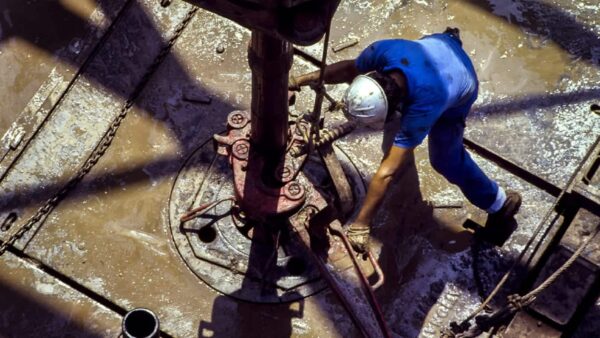
Oilfield workers often perform tasks on rigs, platforms, ladders, scaffolding, and uneven ground. Slips, trips, and falls are frequently caused by oil, mud, poor housekeeping, missing guardrails, or unstable walking surfaces, leading to broken bones, spinal cord injuries, or traumatic brain injuries.
Chemical Exposure
Oilfield operations involve routine exposure to hazardous substances, such as drilling fluids, solvents, fuels, and hydrogen sulfide. Without proper protective equipment and ventilation, chemical exposure can result in severe burns, respiratory damage, poisoning, or long-term health complications.
High-Pressure Lines and Equipment
High-pressure systems are essential to oil and gas production but pose serious dangers when they fail. Sudden releases of pressure from lines, valves, or equipment can cause violent explosions, blunt force injuries, amputations, or death. Equipment defects and poor maintenance are common contributing factors.
Confined Spaces
Confined spaces, including tanks, pits, and vessels, present unique and deadly risks. These environments may contain toxic gases, low oxygen levels, or explosive atmospheres. Without proper testing, ventilation, and monitoring, workers face a high risk of asphyxiation, chemical exposure, or explosions.
Ergonomic Hazards
Ergonomic hazards develop from repetitive motions, heavy lifting, awkward postures, and long shifts common in oilfield work. Over time, these conditions can cause musculoskeletal injuries, including back injuries, joint damage, and chronic pain that can lead to long-term disability if not properly addressed.
Environmental Risks
Environmental conditions also play a significant role in oilfield safety. Extreme heat, cold, high winds, and severe weather can make already hazardous tasks more dangerous. Remote job sites can delay emergency response, worsening the outcome of serious injuries.
Root Causes of Oilfield Safety Failures
Despite strict regulations and widespread awareness of oil industry safety risks, serious injuries continue to occur across oilfields in Texas and beyond. In most cases, these incidents are not unavoidable accidents—they are preventable failures that occur when safety takes a back seat to speed, cost, or convenience.
Common causes include:
- Inadequate safety training
- Poor communication between crews and contractors
- Equipment not properly maintained or inspected
- Ignoring warning signs or near-miss incidents
- Rushing jobs to meet production deadlines
- Weak enforcement of safety rules
When third parties contribute to these failures, injured workers may be eligible for compensation beyond workers’ comp.
Important Safety Measures for Oil and Gas Workers
Effective oil and gas industry safety requires consistent execution, accountability, and a culture that prioritizes worker protection at every level. Because oil and gas operations involve high-risk tasks and constantly changing conditions, safety measures must be proactive, reinforced daily, and adapted to each job site. The following practices are key to reducing serious injuries and fatalities.
Personal Protective Equipment (PPE)
Personal protective equipment is the first line of defense against many oilfield hazards. PPE must be properly fitted, well-maintained, and used consistently to be effective. When PPE is missing, damaged, or improperly used, even routine tasks can become life-threatening.
Mandatory PPE typically includes:
- Flame-resistant clothing (FRC)
- Hard hats and safety glasses
- Steel-toed boots
- Gloves and hearing protection
- Respiratory protection when required
Training and Education
Ongoing training is essential to maintaining safety in the oil industry, especially as job sites, equipment, and personnel change. Workers must understand not only how to perform their jobs but how to identify hazards before they escalate into serious incidents.
Effective oilfield safety training should include:
- Hazard recognition and situational awareness
- Emergency response drills
- Proper equipment operation and shutdown procedures
- Spill response and chemical handling protocols
- OSHA compliance requirements and safety reporting procedures
Equipment and Site Safety
Well-maintained equipment and organized job sites play a critical role in preventing oilfield accidents. Mechanical failures, cluttered walkways, and missing safeguards significantly increase the risk of injury.
Key equipment and site safety practices include:
- Regular inspections and preventive maintenance
- Lockout/tagout procedures
- Clear labeling and signage
- Hot work permits and fire watches
- Spill kits and cleanup protocols
Technology and Monitoring
Technology continues to play an increasing role in improving safety for oil and gas industry workers. Monitoring systems help identify risky behavior, detect hazards early, and improve communication across job sites.
Common safety technologies include:
- In-vehicle monitoring systems (IVMS)
- Gas detection equipment
- Real-time communication tools
When these safety measures are properly implemented and enforced, they significantly reduce the risk of serious oilfield injuries.
Does OSHA Regulate the Oil and Gas Industry?
Yes. OSHA regulates oil and gas operations and provides safety standards covering:
- Hazard communication
- PPE requirements
- Electrical and mechanical safety
- Fall protection
- Confined space entry
- Fire and explosion prevention
OSHA classifies oil and gas extraction as a high-risk industry and issues ongoing guidance and enforcement standards designed to address the hazards most likely to cause serious injuries or fatalities among oilfield workers.
When Oil Industry Safety Failures Lead to Legal Claims
Even when oil companies promote safety programs, breakdowns in oil industry safety frequently occur due to the actions or inaction of third parties working on or around the job site. In those situations, injured oilfield workers may have the right to file a third-party work injury claim.
Common Examples of Third-Party Oilfield Injury Claims
Oilfield workers may be able to pursue a claim when injuries are caused by:
- Negligent subcontractors or vendors who fail to follow safety protocols, create hazardous conditions, or interfere with safe operations
- Defective tools, machinery, or safety equipment, including failures caused by poor design, manufacturing defects, or lack of proper warnings
- Unsafe transportation vehicles or drivers, such as trucking companies, delivery drivers, or third-party operators involved in oilfield traffic accidents
- Poorly maintained job sites controlled by another company, including unsafe walkways, unsecured equipment, or unmarked hazards
In many cases, these safety failures violate basic oilfield safety standards or OSHA regulations, strengthening the basis for a legal claim.
Why Third-Party Claims Matter
Unlike workers’ compensation, third-party injury claims allow oilfield workers to pursue full compensation for their losses. This may include:
- Pain and suffering
- Full lost wages and reduced earning capacity
- Medical expenses
- Long-term disability or disfigurement damages
- Wrongful death damages for surviving family members
Legal action can provide both financial recovery for injured workers and accountability for unsafe practices. These claims also play an important role in improving oilfield safety by discouraging shortcuts and forcing negligent companies to address dangerous conditions before others are harmed.
Why Injured Oilfield Workers Choose Braker White
At Braker White, we represent injured workers and families across West Texas, including Odessa, Midland, and the greater Permian Basin, where oil and gas operations are a way of life. We understand how oil industry safety failures happen on real job sites and how third-party negligence can cause devastating, life-changing injuries. That local knowledge allows us to identify liability quickly and build strong third-party work injury claims when safety standards are ignored.
Our trusted team offers:
- More than 60 years of combined experience handling serious injury cases in the West Texas oil and gas industry
- Local insight into Permian Basin oilfield operations, contractors, and job site conditions
- In-depth knowledge of OSHA standards and common oilfield safety violations
- Aggressive investigation of third-party liability, including subcontractors, equipment providers, and trucking companies
- Personalized legal guidance from start to finish
- No upfront fees so you pay nothing unless we recover compensation
We are proud to serve the workers who power West Texas. When oilfield accidents happen due to unsafe conditions or third-party negligence, Braker White fights to hold the responsible parties accountable while helping injured workers protect their future.
Contact Braker White today for a free consultation. Our oilfield accident lawyers will review your case, explain your rights, and fight for the compensation you may be entitled to.