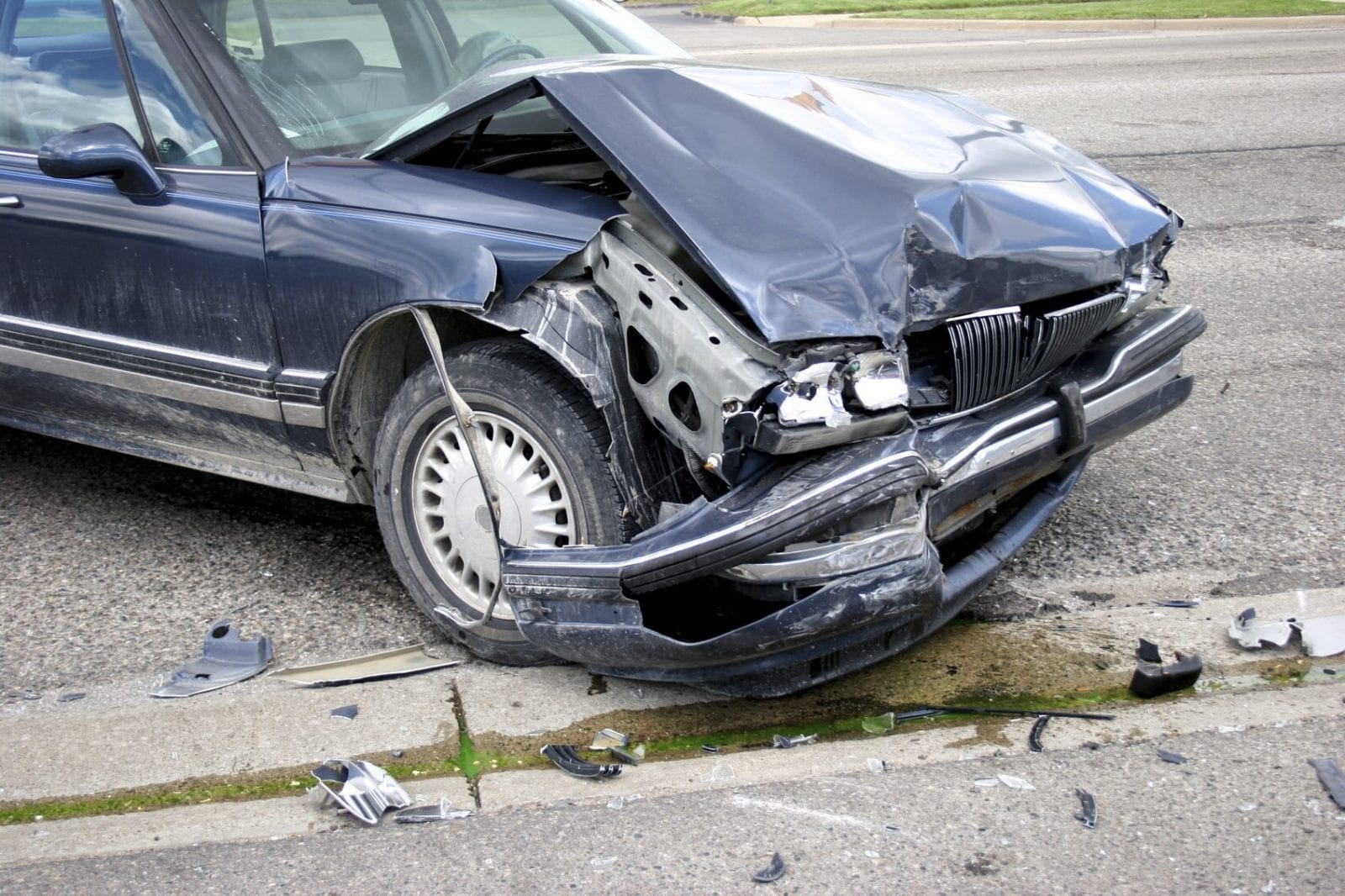

The Short Answer… When you’re involved in a car accident, one of the most important questions is: Who is at fault? Fault determines who pays for damages, whose insurance takes the hit, and who may be held legally liable. Fault is typically determined by examining the facts of the crash, identifying negligence, and applying state-specific … Read more

Personal Injury
The Short Answer… In most rear-end accidents, the driver who hits the vehicle in front is usually at fault. Texas law requires drivers to maintain a safe following distance. When that distance isn’t maintained and a collision occurs, it’s typically presumed that the rear driver was negligent. However, this rule isn’t absolute and there are … Read more
The Short Answer… A car accident deposition is a sworn, out-of-court interview where you answer questions from the opposing attorney under oath. It’s part of the discovery process in an injury lawsuit and plays a crucial role in shaping the outcome of your case whether through settlement or trial. Lawyers use depositions to uncover the … Read more
The Short Answer… If your car is totaled in an accident, your insurance company will usually pay you the vehicle’s fair market value (known as the “actual cash value” or ACV) before the crash, minus your deductible. If you still owe money on the loan, the payment first goes to your lender, and any remaining … Read more
The Short Answer… If you’ve been hit by a drunk driver, prioritize your health and seek medical attention immediately, even if your injuries are minor. Report the accident to the police, document the scene, and gather witness and driver information. Finally, consider working with a car accident lawyer who can explain your legal options and … Read more
The Short Answer… To choose a personal injury lawyer, look for someone with experience with cases like yours, strong communication skills, and a proven track record. You should also make sure they work on a contingency fee basis and have the time and resources to truly focus on your case. If you’ve been injured in … Read more
The Short Answer… There is no fixed average settlement amount for a spinal cord injury. Every spinal cord injury lawsuit is different, and the amount someone might receive depends on how serious the injury is, how much it affects their life, and who was at fault. Still, settlements can range from tens of thousands to … Read more
The Short Answer… Personal injury settlements are usually calculated by adding up economic damages (like medical bills and lost income) and non-economic damages (like pain and suffering). The general formula for calculating a personal injury settlement is: Economic Damages + Non-Economic Damages = Estimated Settlement Value But that’s just the beginning and many different factors … Read more
The Short Answer… If you’re wondering about your chances of winning a personal injury lawsuit, most personal injury cases (around 95%) settle before trial, and if yours does go to court, your chances of winning vary depending on your situation. But here’s the truth: with the right steps and the right lawyer, you can greatly … Read more
The Short Answer… Not all injury lawsuits go to trial, but when they do, it’s usually because a fair settlement couldn’t be reached. If your personal injury case is going to trial, it’s likely because the insurance company is disputing liability, challenging the severity of your injuries, or refusing to offer reasonable compensation. When a … Read more